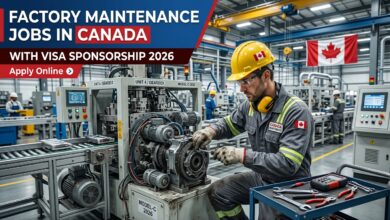
LMIA jobs in New Brunswick in 2026 typically offer salaries ranging from CAD $14 to $45 per hour, depending on the role, with most positions requiring 1–3 years of relevant experience, though some entry-level jobs need little to no prior background.
These jobs are primarily physical, on-site roles in sectors like healthcare, construction, logistics, and hospitality, while a small number of administrative or tech-related positions may offer hybrid options. Most LMIA roles are full-time and permanent, giving workers stability and consistent income.
What is an LMIA and Why It Matters?
An LMIA (Labour Market Impact Assessment) is a document that Canadian employers must obtain before hiring a foreign worker. It proves that no Canadian citizen or permanent resident is available to fill the job.
For job seekers, an LMIA-approved position means:
- Higher chances of work visa approval
- Increased credibility of the job offer
- Potential pathways to permanent residency
In 2026, LMIA-backed jobs remain one of the most reliable entry points into Canada’s workforce.
Check Also: LMIA Jobs in Nova Scotia
Why New Brunswick is Hiring Foreign Workers?
New Brunswick faces ongoing labor shortages due to an aging population and low population growth. As a result, the province actively welcomes foreign workers to fill critical gaps.
Key reasons include:
- Demand for skilled trades and healthcare workers
- Growth in manufacturing and logistics
- Expansion in hospitality and service industries
The provincial government continues to align immigration programs with employer needs, making LMIA jobs more accessible than ever.
In-Demand LMIA Jobs in New Brunswick:
Several sectors are actively offering LMIA-supported positions. The most in-demand roles include:
- Truck drivers and delivery operators
- Registered nurses and healthcare aides
- Construction workers and electricians
- Food service supervisors and cooks
- Retail and customer service staff
- Industrial and factory workers
These roles are consistently listed by employers who are unable to find local candidates.
Salary Expectations and Work Conditions:
Salaries for LMIA jobs in New Brunswick vary depending on the role and experience level. However, most positions follow provincial wage standards.
Typical salary ranges:
- Entry-level jobs: CAD $14 – $18 per hour
- Skilled trades: CAD $20 – $35 per hour
- Healthcare roles: CAD $25 – $45 per hour
Employers offering LMIA jobs must also ensure fair working conditions, making these positions relatively secure for foreign workers.
Benefits:
- Stable and Reliable Income:
LMIA-approved jobs are backed by the government, which means employers must offer fair wages that meet Canadian standards. This gives workers financial stability and the confidence of knowing their income is secure and consistent. - Higher Chances of Work Permit Approval:
Since LMIA proves that a foreign worker is genuinely needed, it significantly strengthens your work permit application. This reduces uncertainty and increases your chances of starting your journey in Canada without unnecessary delays. - Valuable Canadian Work Experience:
Working in Canada adds strong value to your professional profile. It opens doors to better job opportunities in the future and helps you build skills that are recognized globally. - Pathway to Permanent Residency:
One of the biggest advantages is the opportunity to settle permanently. LMIA jobs can lead to immigration programs where your work experience and job offer increase your chances of becoming a permanent resident. - Legal Protection and Fair Treatment:
Employees in LMIA jobs are protected under Canadian labor laws. This ensures fair working hours, safe conditions, and protection from exploitation, giving workers peace of mind in their new environment. - Access to Healthcare and Social Benefits:
Depending on your eligibility, you may gain access to healthcare services and other social benefits. This support system plays an important role in maintaining both physical and financial well-being. - Better Quality of Life:
Beyond work, New Brunswick offers a calm and welcoming lifestyle. Workers often find a balance between their job and personal life, allowing them to grow not just professionally, but emotionally as well.
Work Permit Process After Job Offer:
Once you receive an LMIA-approved job offer, the next step is applying for a work permit.
The process includes:
- Receiving LMIA document from employer
- Submitting work permit application
- Providing biometrics and medical tests (if required)
- Waiting for approval
Processing times vary, but strong documentation can speed things up.
Pathways to Permanent Residency:
One of the biggest advantages of LMIA jobs is the opportunity to transition into permanent residency.
Popular pathways include:
- Provincial Nominee Program (PNP)
- Express Entry with job offer points
- Atlantic Immigration Program (AIP)
Having Canadian work experience significantly boosts your eligibility for these programs.
Challenges to Be Aware Of:
While LMIA jobs offer great opportunities, there are some challenges:
- Competition for high-demand roles
- Risk of fraudulent job offers
- Strict documentation requirements
- Adjustment to a new work culture
Being informed and cautious helps you avoid common pitfalls.
Tips to Increase Your Chances:
To stand out in the competitive job market, focus on:
- Improving English or French language skills
- Gaining relevant certifications
- Applying consistently and strategically
- Networking with employers and recruiters
- Staying updated with immigration policies
Preparation and persistence are key factors in securing an LMIA job.
How to Apply for LMIA Jobs in New Brunswick 2026:
Search for Verified LMIA Job Listings:
Start by looking for jobs on trusted platforms like Job Bank Canada and employer websites. Focus only on listings that clearly mention LMIA availability, as this ensures the employer is authorized to hire foreign workers.
Prepare a Canadian-Style CV:
Your resume should be simple, clear, and tailored to the job. Highlight relevant skills, work experience, and any certifications that match the role. A well-structured CV increases your chances of getting noticed quickly.
Apply Directly to Employers:
Submit your applications through official channels such as company career pages or verified recruiters. Avoid middlemen who ask for large fees, as genuine employers usually follow a transparent hiring process.
Attend Interviews and Communicate Clearly:
If shortlisted, you may be invited for an online interview. Be honest, confident, and clear about your experience and willingness to relocate. Employers value candidates who show commitment and readiness.
Receive Job Offer and LMIA Document:
Once selected, the employer will provide a job offer along with the approved LMIA. This document confirms that hiring you is legally permitted and necessary.
Apply for a Work Permit:
Use your job offer and LMIA to apply for a Canadian work permit. Submit all required documents, including identification, medical tests (if needed), and biometrics.
Prepare for Your Move to Canada:
After approval, plan your travel, accommodation, and initial expenses. Starting prepared helps reduce stress and allows you to focus on settling into your new job and environment smoothly.
Conclusion:
LMIA jobs in New Brunswick in 2026 offer stable salaries, full-time roles, and real opportunities across essential industries. They provide not just employment, but a pathway to long-term settlement and a better quality of life in Canada. With the right preparation and mindset, this journey can turn into a meaningful and life-changing experience.
Frequently Asked Questions:
What is an LMIA job in New Brunswick?
An LMIA job is a position offered by a Canadian employer who has received approval to hire a foreign worker. It confirms that no local candidate is available, making it easier for international applicants to get hired legally.
Who can apply for LMIA jobs?
Anyone with relevant skills, basic qualifications, and a willingness to work in Canada can apply. Some jobs require experience, while others are open to entry-level candidates.
Do I need IELTS for LMIA jobs?
Not always. Many LMIA jobs do not require IELTS, especially for low-skilled roles. However, having basic English skills can improve your chances during interviews and workplace communication.